FREE DELIVERY ON ORDERS OVER R2,000 | UPCOMING EVENTS
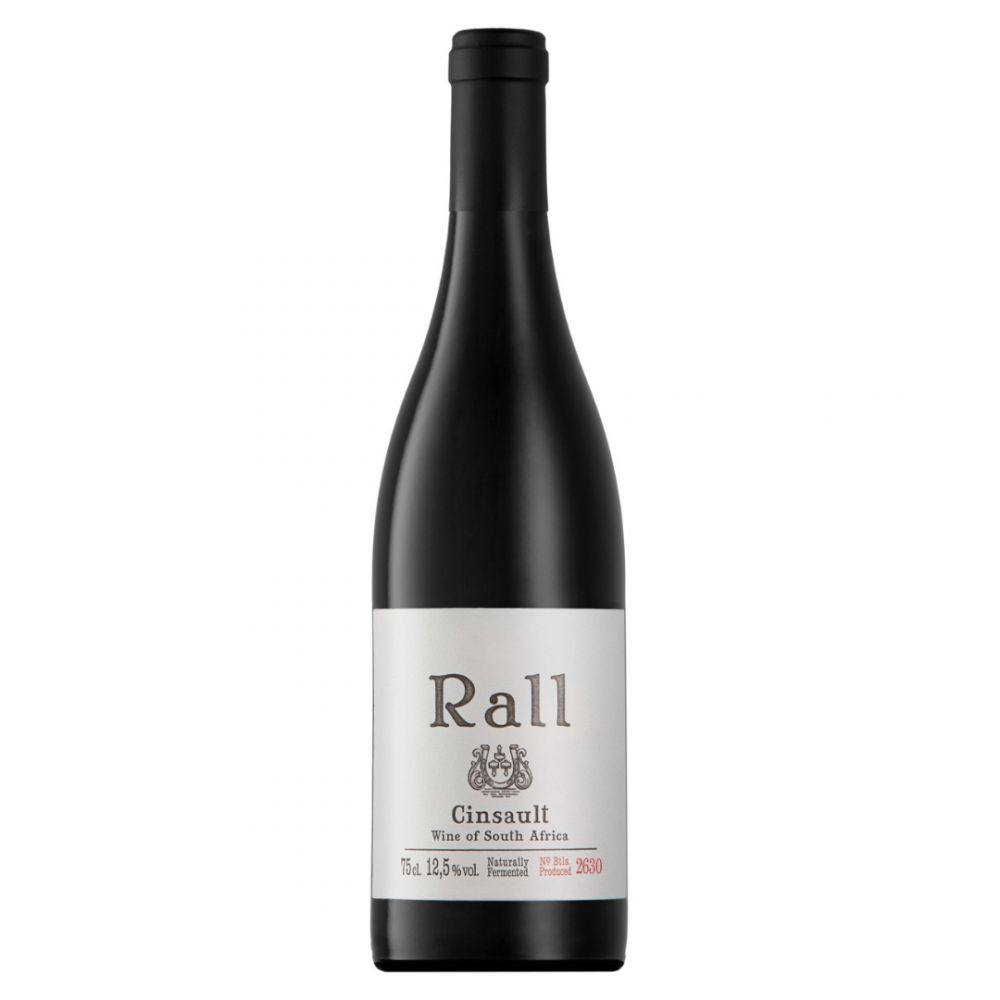
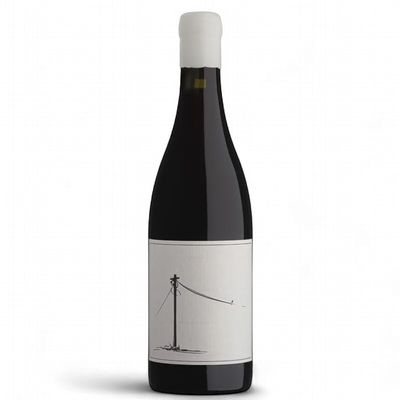
Rall Cinsault 2024
R335.00
Price incl. VAT (15%) R43.70
In stock: 2 available
1
Rall Cinsault 2024
Product details
Fruit for the Rall Cinsault is from a combination of Darling old vines planted in 1982 (fermented in concrete using submerged cap) and a vineyard on the Paardeberg (semi-carbonic fermentation). Fermentation occurs naturally using 100% whole-bunches before aging for 8 months in 3000-liter foudre and older small French oak for the Swartland component. Multi-layered with some beautiful red fruit and crunchy, coated tannins from the stems and fresh acidity to bring the balance. More serious structure in this small yielding vintage. Donovan Rall
Tasting Notes: Vibrant and aromatic, featuring wild strawberry, red raspberry, and rose petals, with a "sea-breeze" nuance. Light-to-medium bodied with fine, stem-derived tannins and fresh acidity.
Food Pairing: Due to its delicate nature, this wine is highly versatile and pairs well with a variety of foods, ranging from light meats to vegetarian dishes. Lamb: Lamb skewers, grilled lamb, or herb-crusted lamb chops. Duck: Roasted duck or duck pâté pairs well with the red fruit notes and low tannins. Game: Venison and, specifically, Springbok loin. Lebanese & Middle Eastern: Kibbeh, grilled meats, and dishes with spices like sumac and coriander.
Inspired by some of the Beaujolais Crus - even if it's not made from Gamay - this Cinsault comes from an old-vine parcel planted on iron-rich clays in Darling. Fermented with whole bunches in a semi-carbonic style, it has the structure, intensity and depth to age, plum and wild strawberry flavours and an acid-driven finish. 2026-31. Tim Atkin 93
Donovan Rall was named 2025 Winemaker of the Year by Tim Atkin MW
Customer reviews
Customer reviews
Reviews only from verified customers
No reviews yet. You can buy this product and be the first to leave a review.
You May Also Like
Display prices in:ZAR