Mullineux Wines
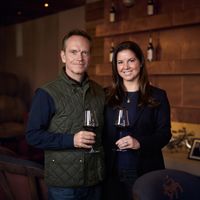
Chris and Andrea Mullineux founded their winery in 2007 in the Swartland, about an hour's drive northeast of Cape Town, after several vintages working across France, California and South Africa convinced them the region's ancient granite and schist soils could produce genuinely world-class wine. Chris, a Cape native, trained as a viticulturist; Andrea, from Northern California, studied viticulture and oenology at UC Davis before the two met at a wine festival in Champagne. They started out renting cellar space at a neighbouring winery before eventually building their own base at Roundstone Farm, on the slopes of the Kasteelberg.
Mullineux became one of the founding labels of what's now known as the Swartland Revolution, the loose movement of winemakers who turned the region from a source of bulk wine into one of South Africa's most serious fine-wine areas. The results came fast: Mullineux has been named Platter's South African Winery of the Year five times: 2014, 2016, 2019, 2020 and 2023
Philosophy and Winemaking
“When I talk about the vines growing on the different soil types, I’m not talking about sucking up minerals or talking about the structure of the soil. It’s somewhat textural, what that means for the water, how that changes the shape of the vine, the shape of the leaves and the way the sunlight penetrates the canopy.” Andrea Mullineux
The Mullineux style is built on soil rather than variety. The Swartland's three main soil types (granite, schist and iron-rich clay) sit at the centre of everything the winery does: Chenin Blanc and Syrah are picked at the same ripeness and vinified identically across all three, so that whatever differences show up in the glass come from the ground rather than the winemaking. Andrea and Chris describe soil as "the biggest fingerprint" on the wines, and the Single Terroir range exists specifically to prove the point, bottling each soil type separately rather than blending them away.
In the cellar, the approach stays deliberately hands-off: indigenous yeast fermentation, no added acids, tannins, enzymes or fining agents, and only a small amount of sulphur for stability. Grapes are hand-harvested in the early morning and, for the Syrah, often 80 to 90 percent whole-bunch fermented to build structure without heaviness. Reds typically spend upwards of a year in a mix of French oak barrels and foudres before blending and a further period in bottle. It's restraint over power, even in a warm, dry-farmed region that could easily produce something bigger.
The Range: Granite, Schist and Iron
WHITES:
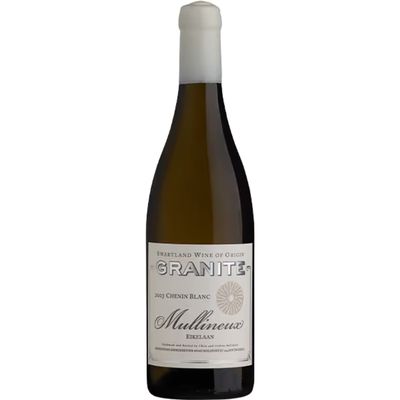
Granite Chenin Blanc Eikelaan, high-altitude Paardeberg granite From Eikelaan, a dry-farmed bush-vine vineyard on the higher granite-rich slopes of the Paardeberg, where decomposed granite allows the roots to travel deep into the earth while the broad canopies provide natural shade and help retain freshness. The cooler site produces a particularly lifted and finely structured expression of Chenin Blanc, with perfume, citrus and mineral precision at its core. The grapes are hand-harvested in the early morning, whole-bunch pressed directly into French oak and allowed to ferment naturally, with both primary and secondary fermentation proceeding without intervention. The wine spends around 10 months on its lees in 225-litre French oak before being bottled unfiltered. Expect yellow citrus blossom, summer fynbos and ginger tea on the nose, followed by pithy citrus, white stone fruit and a distinctly granite-driven mineral character on the palate. The finish is vibrant, dry and long, with fine acidity giving the wine considerable ageing potential. The 2021 vintage was rated 97/100 by Greg Sherwood MW.
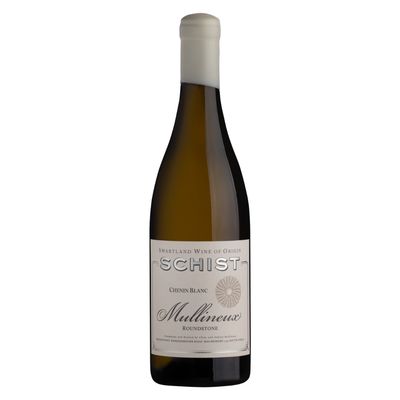
Schist Chenin Blanc Roundstone, Kasteelberg schist From Mullineux's home vineyard at Roundstone on the rocky slopes of the Kasteelberg, where shallow schist soils naturally restrict vine vigour and yields, producing smaller berries with a higher skin-to-juice ratio. The result is a Chenin with greater texture, concentration and depth, while the site's altitude and diurnal range preserve freshness. Picked by hand in the cool of the morning, the grapes are whole-bunch pressed directly into barrel and undergo spontaneous fermentation before resting on their lees in French oak. The wine is matured for approximately 11 months and bottled unfiltered. The profile is typically broader and more generous than the Granite bottling, with fresh quince, white peach and lime alongside a firm, chalky texture, subtle spice and bright mineral freshness. The palate combines ripe fruit with a fine phenolic grip, finishing zesty, dry and persistent. The 2021 vintage scored 96+/100 from Greg Sherwood MW.
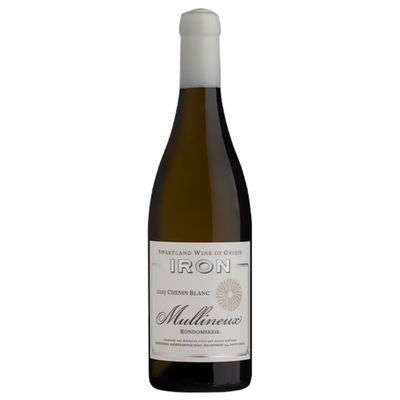
Iron Chenin Blanc Rondomskrik, iron-rich Koffieklip soils From a dedicated bush-vine vineyard on the rolling hills outside Malmesbury, planted in deep iron-rich Koffieklip soils. This site consistently ripens earlier than the other Mullineux Single Terroir Chenins, and its deep clay soils retain moisture while naturally restricting water uptake as the grapes approach maturity. That combination produces exceptionally concentrated fruit with the highest natural extract of the three Chenins, giving the wine weight, texture and structure without sacrificing acidity. The grapes are hand-harvested and gently handled before both primary and secondary fermentations take place spontaneously with indigenous yeast. Matured for around 11 months in 225-litre French oak, the wine develops a distinctive combination of yellow orchard fruit, fresh orange peel and subtle flint. The palate is dense and layered, with excellent natural acidity and a slightly saline, mineral finish. It is the most powerful and textural of the three whites and has the structure to develop gracefully for more than two decades. The 2021 vintage was rated 96/100 by Tim Atkin MW.
REDS:
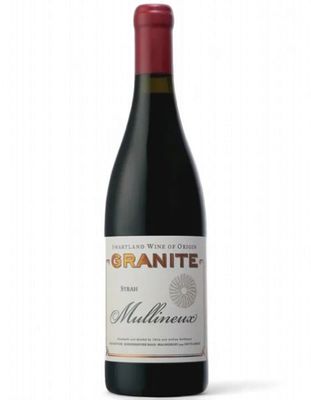
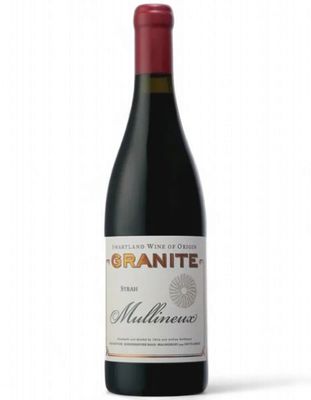
Granite Syrah Jakkalsfontein, Paardeberg decomposed granite From old bush vines planted in the decomposed granite soils of the Paardeberg, where the free-draining granite forces the roots deep in search of water. This demanding environment naturally limits yields and gives the fruit exceptional concentration while preserving freshness and aromatic lift. The grapes are hand-harvested and placed whole-bunch into 500-litre French oak open-top fermenters, where they undergo indigenous fermentation with gentle foot crushing and hand punch-downs. The wine remains on its skins for around four weeks before being pressed and returned to barrel, followed by approximately 12 months in French oak and a further nine months in 2,000-litre foudre. Granite is generally the most elegant and perfumed of the three Mullineux Syrahs, showing floral spice, red cherry, lavender, black pepper and subtle herbal notes. The palate is finely textured and energetic, with chalky tannins, vibrant acidity and a stony mineral finish. The wine is built for long ageing, with the current 2023 release carrying an estimated 25-year cellaring potential. The 2020 vintage was rated 97/100 by Greg Sherwood MW.
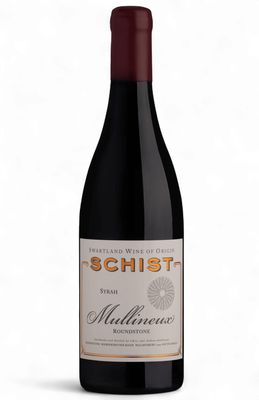
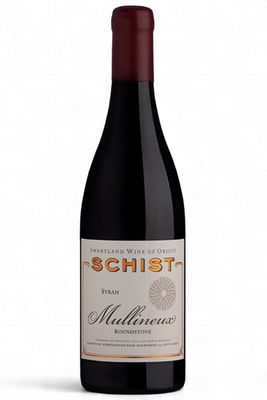
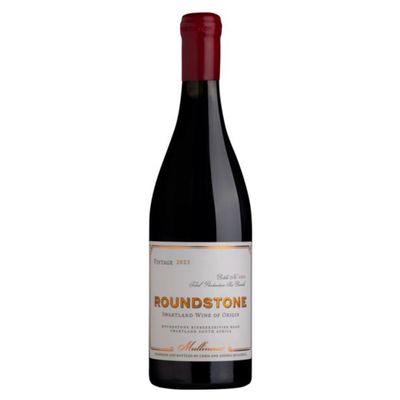
Schist Syrah Roundstone, Kasteelberg schist From the rocky slopes of Roundstone on the Kasteelberg, where shallow schist soils restrict vine vigour and naturally produce small, intensely flavoured berries. The site is organically farmed and dryland, with the harsh conditions encouraging the vines to develop concentrated fruit with thick skins, firm natural tannins and a pronounced savoury character. Picked in the cool early morning, the grapes are fermented as 100% whole bunches in open-top 500-litre French oak barrels using only indigenous yeast, with gentle hand plunging and approximately four weeks of skin contact. The wine then spends around 12 months in French oak, followed by a further nine months in large 2,000-litre foudre. Schist typically produces the darkest and most savoury expression in the trio, with blackberry, dark cherry and violet layered with bergamot, nutmeg, pepper and subtle Mediterranean herb notes. The palate is concentrated but precise, driven by silky yet firm schist-derived tannins, with a long mineral finish. Tim Atkin scored the 2019 vintage 97/100 and the 2020 vintage 98/100.
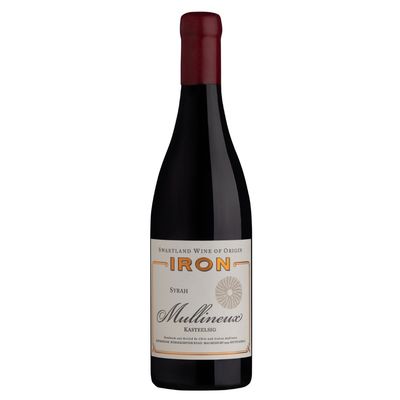
Iron Syrah Kasteelsig, iron-rich Koffieklip soils From the rolling red hills around Malmesbury, where an organically farmed Kasteelsig vineyard sits on clay and gravel-rich Koffieklip soils. These soils hold water early in the season before restricting moisture around veraison, encouraging the vines to produce very small berries with naturally concentrated fruit, while the lush canopy and medium-thick skins contribute to the wine's rounded tannins and deep aromatic complexity. The grapes are harvested by hand and fermented as whole clusters using indigenous yeast, with the wine receiving a long, gentle extraction before maturation in French oak and large-format foudre. Iron is generally the broadest and most powerful of the Single Terroir Syrahs, combining dark berry fruit with earthy, savoury and spicy character. Expect crushed blackberry, dark plum, rosemary, sage, black pepper and subtle smoky, ferrous notes, supported by broad tannins and a deep, persistent finish. Despite its concentration, the wine retains the freshness and precision that define the Mullineux style. The 2020 vintage scored 97/100 from Robert Parker's Wine Advocate.
Mullineux Roundstone Red 2023 Syrah, Grenache and Cinsault, Roundstone Estate, Kasteelberg A red blend from Mullineux's Roundstone Estate on the Kasteelberg, where ancient schist and quartz-rich soils, elevation and cooling mountain winds create naturally structured, site-driven wines. The 2023 is a blend of 52% Syrah, 25% Grenache and 23% Cinsault, bringing together Syrah's depth, Grenache's generosity and Cinsault's perfume and freshness. The estate has been moving towards increasingly regenerative farming, with permanent mulch, no-till soil management, self-seeding cover crops and preserved fynbos corridors forming part of the vineyard landscape. The wine shows generous plum, blackberry and dark cherry fruit, lifted by violet, wild herbs and spice, with a supple, velvety palate that gradually reveals firmer, earthy tannins and a savoury mineral finish. It has the generosity of a warm-climate Swartland red but retains the freshness and precision associated with Mullineux. The 2023 vintage was awarded 94/100 by Monica Larner for Robert Parker Wine Advocate and received a Five Star rating in the 2026 Platter's guide.
Dessert - Straw Wines:
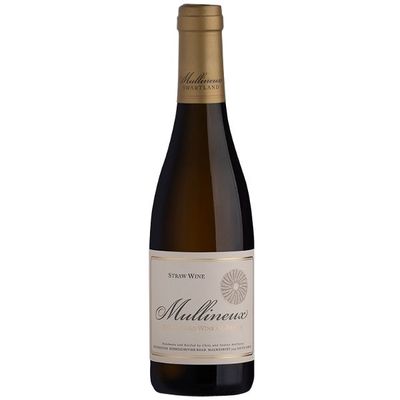
Mullineux Straw Wine 2025 Old-vine Chenin Blanc, Paardeberg granite Made from 100% Chenin Blanc grown on old vines in the granite soils of the Paardeberg, this is one of the most distinctive sweet wines in the Mullineux portfolio. The grapes are harvested at normal dry-wine ripeness rather than allowed to become overripe on the vine, then carefully laid out to dry naturally in the shade for several weeks. This traditional straw-wine process removes water from the grapes while concentrating their natural sugars, acids and flavour, leaving only a tiny quantity of intensely concentrated juice. The resulting wine carries an extraordinary 358g/l residual sugar but remains surprisingly fresh because of its naturally high acidity. Expect guava, ripe pawpaw, dried tropical fruit, honey and citrus-like lift, with a luscious yet energetic palate and a subtle volatile note that keeps the sweetness from feeling heavy. At just 7.5% alcohol and bottled in 375ml, it is intensely concentrated but beautifully balanced, with the natural acidity giving the wine remarkable freshness and the structure to evolve in bottle. The 2025 vintage was rated 96/100 by Tim Atkin MW.
Mullineux Olerasay 6º Straw Wine Multi-vintage Solera, old-vine Chenin Blanc, Paardeberg granite The sixth release of Mullineux's rare Olerasay series, built from a Solera of Straw Wines with components dating back to 2008. Made from old-vine Chenin Blanc grown on decomposed granite, the grapes are naturally dried before slow fermentation and maturation in barrel, concentrating both sugar and flavour while retaining high natural acidity. Expect dried apricot, fig, honey, orange peel and marzipan, with a rich, silky palate balanced by vibrant acidity and a long, savoury finish. Bottled at 7.5% alcohol with approximately 336g/l residual sugar, it is intensely concentrated yet remarkably fresh. The 6º release was rated 98/100 by Tim Atkin MW and produced in fewer than 2,000 bottles.
Which one to buy? Olerasay 6º is the rare, collector-level counterpart to the Mullineux Straw Wine 2025: the 2025 shows the purity and concentration of a single vintage, while Olerasay adds the depth, oxidative complexity and historical character of the long-running Solera.