FREE DELIVERY ON ORDERS OVER R2,000 | UPCOMING EVENTS
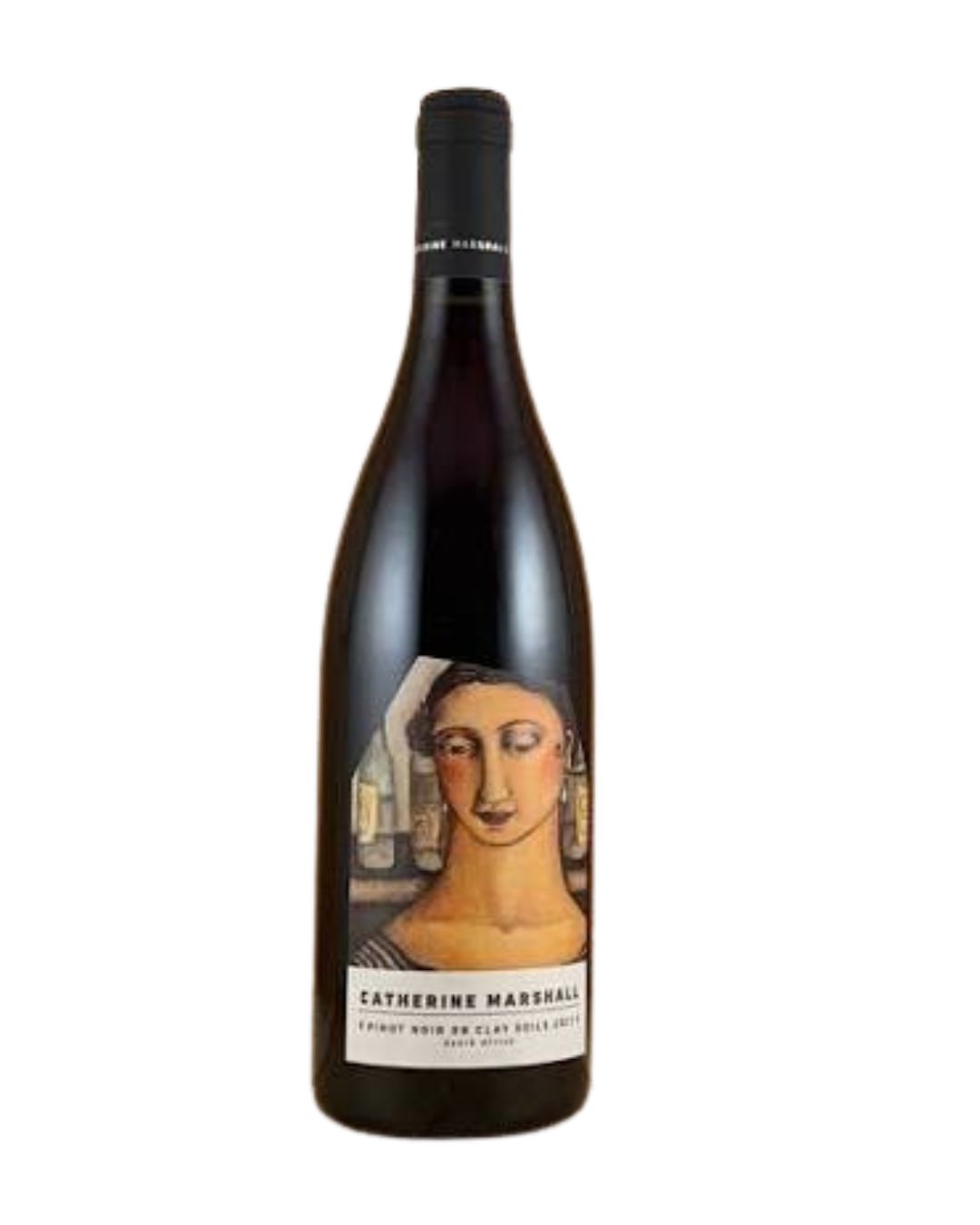
Catherine Marshall Pinot Noir on Clay Soils 2025
R345.00
Price incl. VAT (15%) R45.00
In stock: 6 available
1
Catherine Marshall Pinot Noir on Clay Soils 2025
Product details
Catherine Marshall Pinot Noir on Clay Soils is the darker, more structured side of Elgin Pinot Noir. It is made from carefully selected Pinot Noir clones grown on iron-rich clay soils in cool-climate vineyards, and it sits alongside the lighter Sandstone Soils bottling as the second half of the producer's soil-focused Pinot Noir pair. The clay gives the wine depth, weight and a long, savoury finish, while the cool coastal climate keeps it fresh and pure.
The grapes come from two cool-climate sites on clay soils, in Elgin and the Hemel-en-Aarde Ridge, and are drawn from selected Pinot Noir clones chosen for purity and balance. The bunches are destemmed with some gentle crushing, and the berries are hand sorted at the crusher, with a portion of the fruit kept as whole berries. The must is given a cold soak before fermentation begins, which builds colour and aromatic detail.
Fermentation takes place in open-top vats, using a mix of spontaneous fermentation and some batches inoculated with a Pinot Noir yeast culture. The skins are punched down by hand (pigeage) and turned daily, which keeps the temperature even between the cap on top and the juice below and allows careful control of tannin and flavour extraction. When fermentation is complete, each bin is tasted and selected on tannin and flavour, then pressed by hand in a small stainless steel basket press.
The wine goes to barrel, partly new oak, where it completes malolactic fermentation and matures. Once maturation is finished, every barrel is assessed for premium status, and only the chosen barrels are assembled into the final blend, which is lightly filtered before bottling.
Tasting Notes: Layered and textured, this Pinot Noir opens with savoury truffle and earthy forest floor, woven through with concentrated black cherry compote. The fruit is dark and generous without losing its purity, and the clay soils add a plush, supple weight on the palate. Mineral-textured tannins give the wine a fine, suede-like grip and carry it to a long, savoury finish. It is approachable in its youth, when fresh cherry and red berry fruit are still in the foreground, but it has the structure to evolve. With time in bottle the primary fruit will move towards the truffle, forest floor and savoury tertiary notes that make great Burgundy so compelling.
Food Pairing: The earthy, savoury depth of this wine makes it a natural partner for richer, umami-led dishes. Roast duck and venison bring out the black cherry fruit, while a slow-cooked beef bourguignon or a mushroom and truffle risotto mirrors the forest floor character in the glass. It also works well with umami-driven Asian dishes such as miso-glazed aubergine or soy-braised pork belly, and with roast poultry, veal or a board of aged hard cheese. Serve at around 16 degrees Celsius in a large Burgundy glass, and open it a little ahead of time to let the layers unfold.
ANALYSIS: ALC 13.5% | TA 5.0g/L | pH 3.57 | RS 2.5g/L
Customer reviews
Customer reviews
Reviews only from verified customers
No reviews yet. You can buy this product and be the first to leave a review.
You May Also Like
Display prices in:ZAR