FREE DELIVERY ON ORDERS OVER R2,000 | UPCOMING EVENTS
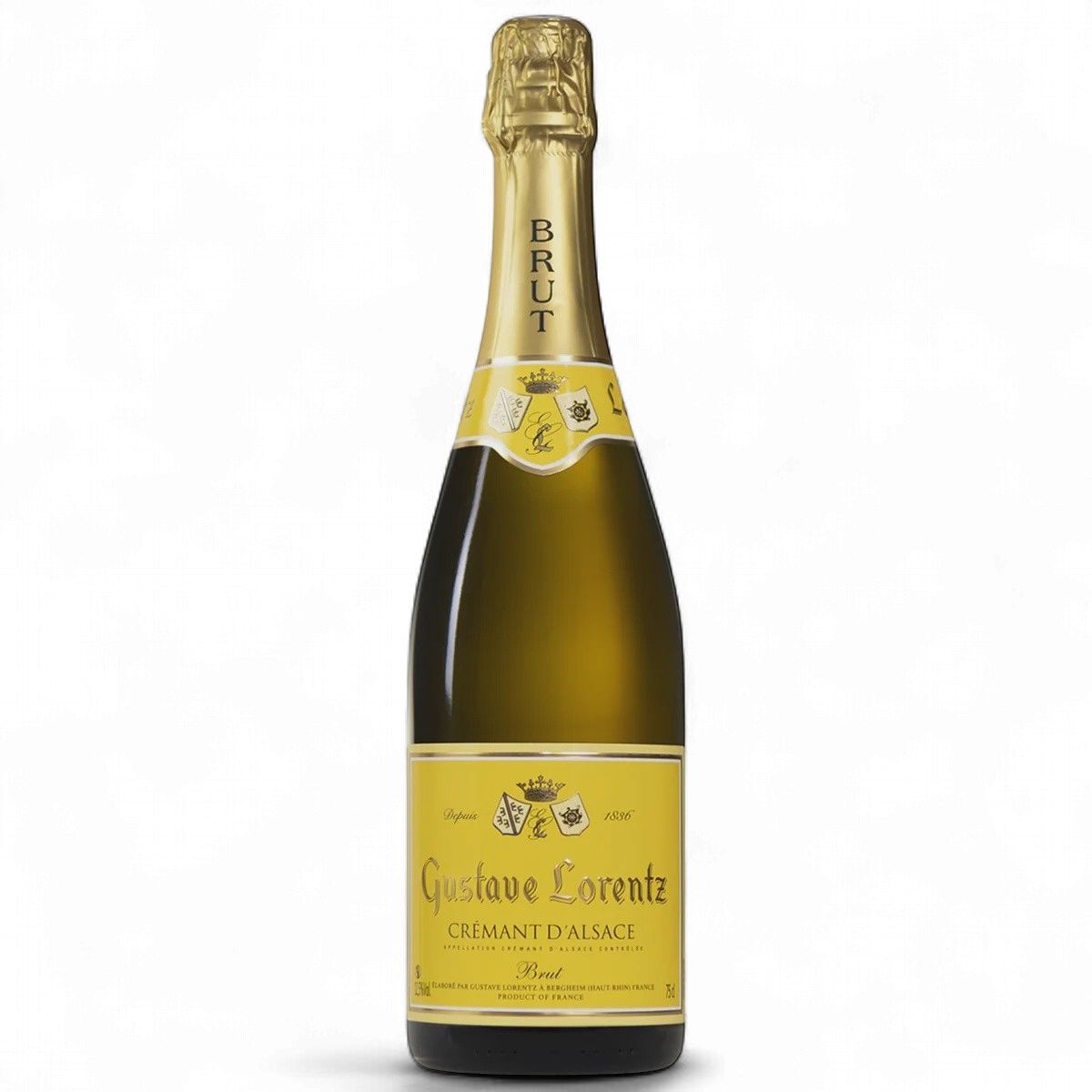
Gustave Lorentz Cremant d'Alsace Brut NV
R370.00
Sold out
Price incl. VAT (15%) R48.26
Sold out
Gustave Lorentz Cremant d'Alsace Brut NV
Gustave Lorentz is a family-owned estate based in the medieval village of Bergheim, at the foothills of Alsace's Vosges Mountains. Established in 1836, the domaine is today led by sixth-generation winemaker Georges Lorentz. Its organically certified vineyards, accredited by Ecocert since 2012, include holdings in the prestigious Grand Cru sites of Altenberg de Bergheim and Kanzlerberg. Alongside a distinguished range of Riesling, Pinot Gris and Gewurztraminer, Gustave Lorentz produces Crémants that are celebrated for their precision, freshness and outstanding value.
Grape varietals are 55% Pinot Blanc, 20% Pinot Noir,16% Chardonnay, 9% Pinot Gris
Gustave Lorentz makes its Crémant d'Alsace under the same strict rules that govern Champagne. The grapes are picked healthy, with no trace of rot, and pressed gently whole. The base wine is fermented in tank in the traditional way, with Chardonnay, Pinot Noir and Pinot Blanc each handled as its own component of the final blend.
The sparkle then comes from a second fermentation in the bottle (the prise de mousse), carried out slowly in cool cellars. The bottles rest on their lees for two years, which builds the brioche and biscuit character and the fine, creamy texture. Before release, the bottles are turned gradually from horizontal to vertical over four days so the yeast deposit collects in the neck. At disgorgement the neck is frozen, the plug of sediment is expelled under natural pressure, and the bottle is topped up with a light dosage, then corked and wired. The result is a dry, precise Brut with only around 7 g/L of residual sugar.
Tasting Notes: Pale yellow in the glass with a fine, persistent bead of bubbles. The nose is delicate and clean, opening with crisp green apple and lemon peel, then pear, blanched almond and a warm pastry and brioche note that comes from its long rest on the lees. The palate has a frank, lively attack and a medium body, with a creamy mousse and bright, mouthwatering acidity. It finishes dry, biscuity and long, with a mineral freshness that keeps you reaching for the next sip. The blend is well judged: Chardonnay gives fruit and body, Pinot Blanc adds freshness and delicacy, and Pinot Noir lends length and persistence.
Food Pairing: Serve well chilled, between 5 and 7°C. This is a natural aperitif and an easy partner for cocktails, but its crisp acidity and fine mousse also make it a strong food wine. It is excellent with oysters, clams and mussels, sushi and sashimi, dill-cured salmon gravlax and seafood canapés. It cuts cleanly through creamy chicken dishes and roast chicken, and handles soft rind cheeses such as brie and camembert with ease. For something more casual, try it with salty, fried food like calamari, crumbed prawns or fried chicken, or follow the Alsatian lead with a tarte flambée or a classic quiche.
ANALYSIS: ALC 12.3% | TA 7.3g/L | RS 7.3g/L - Two years on the lees in bottle
Customer reviews
Reviews only from verified customers
No reviews yet. You can buy this product and be the first to leave a review.
Display prices in:ZAR