FREE DELIVERY ON ORDERS OVER R2,000 | UPCOMING EVENTS
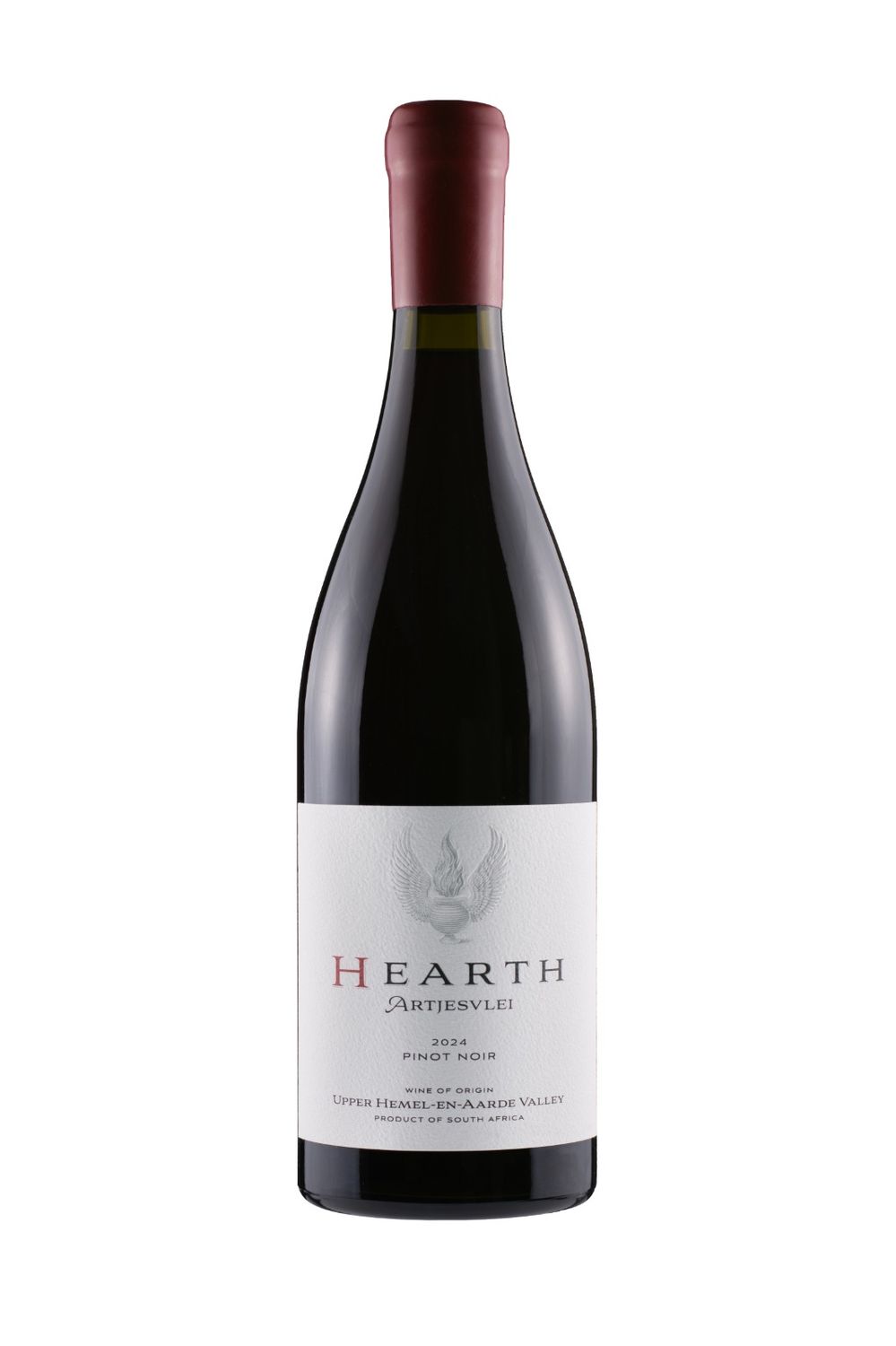
Hearth Artjesvlei Pinot Noir 2024
R730.00
Price incl. VAT (15%) R95.22
In stock: 6 available
1
Hearth Artjesvlei Pinot Noir 2024
Product details
This is dry-farmed, granite-grown Pinot Noir from the Newton Johnson winemaking family, rested for 16 months in bottle before release. Aromatic, layered and structured, with fine tannins and real persistence, it is a serious Upper Hemel-en-Aarde Pinot for lovers of the Burgundian style. Once this allocation is gone, it is gone.
Hearth, meaning the centre of the home, is Nadia Newton Johnson’s personal project, reflecting the Upper Hemel-en-Aarde Valley where she has lived and made wine alongside her husband, Gordon Newton Johnson, for two decades.
The vineyards lie at the foot of the Babylonstoren mountains in the Hemel-en-Aarde valley. Nadia describes how soil, aspect and climatic conditions in this valley are perfect for the cultivation of Pinot Noir and Chardonnay.
A 2.73 hectare, south-facing, 12% slope in the Upper Hemel-en-Aarde Valley, 280 m above sea level and 7 km from the ocean. Pinot Noir clone PN777 on Richter 110 rootstock, planted in 2008 at 3 473 vines per hectare in east-west rows. Dry-farmed, relying entirely on natural rainfall. Granite soils, around 580 million years old, with a clay layer at 30 to 60 cm that holds moisture and nutrients through summer.
Cellar
Hand-harvested into small crates, cooled overnight at 4°C and sorted the next day, with 15% whole bunches retained. Fermented in stainless steel with ambient yeasts after a short cold soak, with one to two gentle punch-downs daily at the peak. Drained by gravity and pressed, then ten months in seven 228-litre French oak barrels (two new, 29%). Briefly assembled in stainless steel the following summer, racked off the lees and returned to barrel for four more months. 16 months in bottle before release.
2024 vintage
A cold, generous winter and early budbreak were followed by a once-in-a-century storm on 24 September (over 400 mm in two days), with no lasting damage. Vigorous canopies and high disease pressure demanded constant vineyard work. A warm January and February ripened the fruit steadily, softening tannins and delivering excellent phenolic ripeness, with fewer heat spikes preserving freshness and detail. Harvested 20 February, 98 days after mid-flowering.
Tasting Notes: The nose is lifted and aromatic, with wild strawberry, red cherry and crushed rose petal woven through subtle graphite and savoury spice. The palate is both energetic and composed, with fine, abundant tannins balanced by bright acidity, giving tension and precision to a core of fresh red berries and darker cherry nuances. It is complex and deeply layered, moving between fruit, spice and savoury elements before finishing long and persistent, with a quiet sense of power. The energy and purity of vines grown in granite shine through, and the tannins, softened by a warm January and February, are structured without ever feeling severe. A vibrant, serious Pinot Noir that rewards time in the glass.
Food Pairing: Fine tannins and bright acidity give this Pinot Noir real versatility at the table. It is a classic match for roast duck breast with cherry jus, pan-roasted quail or guinea fowl, and seared springbok loin with a light red wine reduction. Earthier dishes bring out the graphite and spice, so try wild mushroom risotto, roasted beetroot with goat's cheese, or lamb rump with rosemary and garlic. Seared tuna, a charcuterie board or a wedge of aged Comté also suit the red fruit and savoury notes well. Serve lightly cooled, around 16°C, in a large Burgundy-style glass, and consider decanting briefly to open up the aromatics.
“15% whole-bunch fermentation. Matured for 11 months in barrel, 30% new. Complex aromatics of rose, fynbos, an intriguing hint of mint, musk, toasty oak and white pepper. Light-bodied, with lively acidity and fine but present tannins. Pure and taut, with pleasing tension and a particularly dry finish. Carries its 14% alcohol with ease. Should mature well. CE’s rating: 94 | Distinctive” - Christian Eedes
ANALYSIS: ALC 14.3% | TA 5.8g/L | pH 3.45 | RS 2.9g/L
Customer reviews
Customer reviews
Reviews only from verified customers
No reviews yet. You can buy this product and be the first to leave a review.
You May Also Like
Display prices in:ZAR