FREE DELIVERY ON ORDERS OVER R2,000 | UPCOMING EVENTS
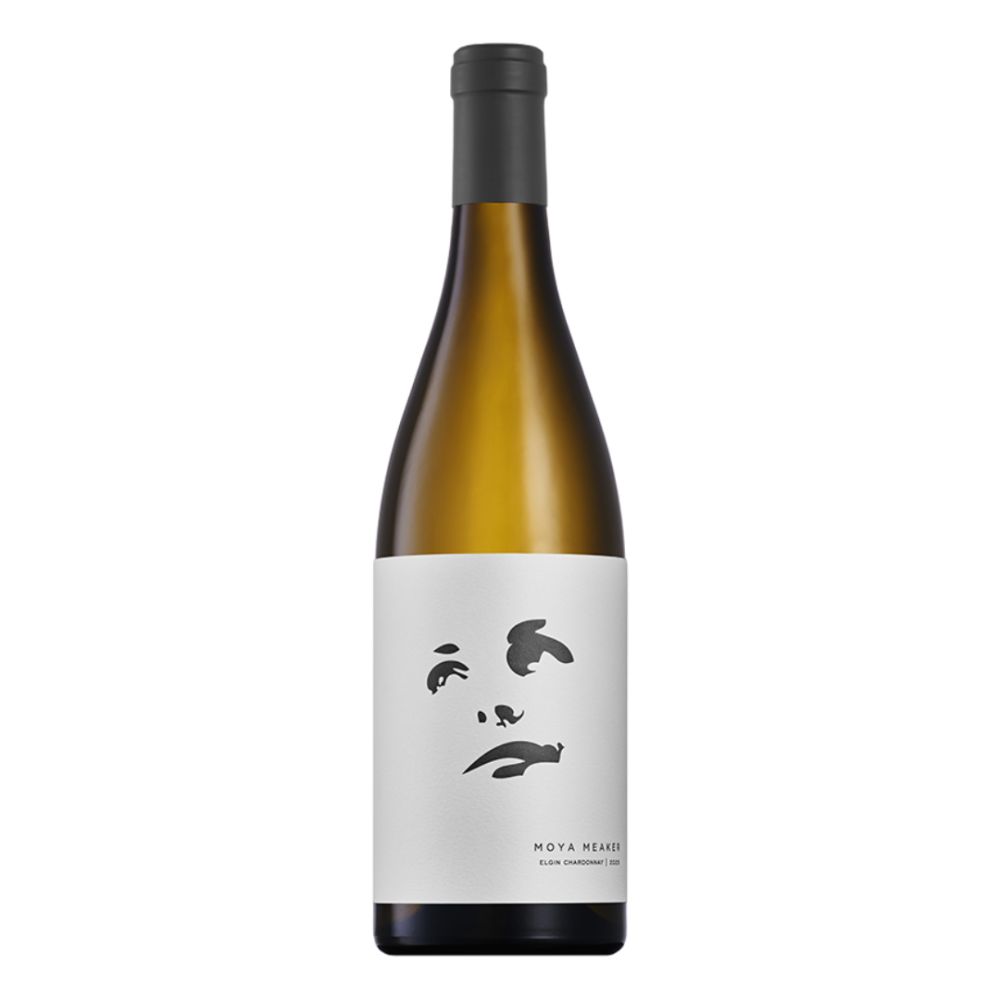
Moya Meaker Chardonnay 2025
R375.00
Price incl. VAT (15%) R48.91
In stock: 6 available
1
Moya Meaker Chardonnay 2025
Product details
The 2025 Elgin season began late and never caught up. Warm autumn and early-winter temperatures left the accumulation of cold units about 14 days behind the previous season, and flowering and veraison both arrived roughly two weeks later than in 2024.
The grapes were hand harvested from 10 to 14 February, chilled overnight, then whole-bunch pressed on a gentle champagne cycle. The juice settled overnight before moving to 1000L Austrian oak foudres for fermentation.
Tasting Notes: A more generous side of an Elgin vintage, with real depth behind the tension. The nose starts out reticent but finds its stride with time in the glass. Chalk and wet gravel lead, with a thread of frangipani and fresh, leesy bread dough. The citrus reads as pith rather than zest, the white part inside the peel, while lime leaf adds a cool, fragrant edge.
Food Pairing: The wine's mineral grip, bright acidity and creamy lees texture make it a versatile partner for richer white-meat and seafood dishes. Ideal matches include:
ANALYSIS: ALC 12.28% | TA 5.7g/L | pH 3.17 | RS 4.3g/L
Customer reviews
Customer reviews
Reviews only from verified customers
No reviews yet. You can buy this product and be the first to leave a review.
Display prices in:ZAR