FREE DELIVERY ON ORDERS OVER R2,000 | UPCOMING EVENTS
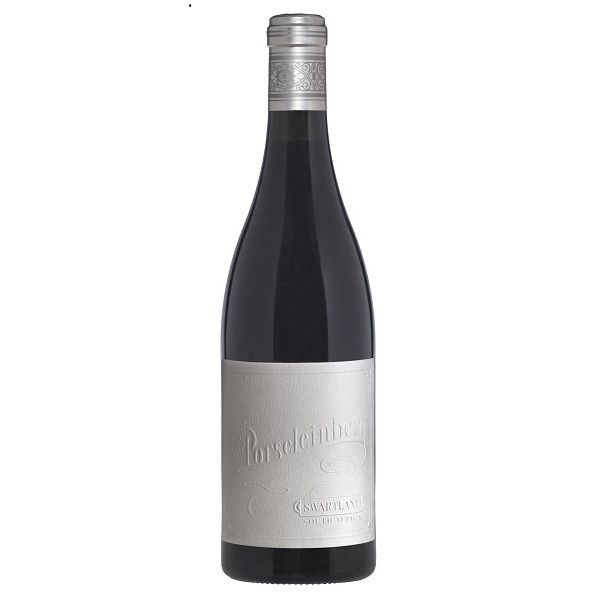
Porseleinberg Syrah 2024
R860.00
Price incl. VAT (15%) R112.17
In stock: 10 available
1
Porseleinberg Syrah 2024
Product details
This is last vintage made by Callie Louw. Then 2025 vintage will be made by Eben Meiring.
Under the custodianship of Boekenhoutskloof, the original Syrah vineyard (planted in 1997) provides the foundation of what is now Porseleinberg. Opting for selection massale, successive plantings have established the younger blocks on the property. Despite portions of the vineyard being lost to a fire, successful interplanting took place between 2015 and 2018. The nucleus of the wine remains focused on the mother block and her surviving vines.
The vineyards face between north-northwest and west-northwest, receiving high afternoon solar radiation for optimum ripening. Slopes ranging from 9 to 22% (6.8 - 12.7°) allow the vineyards to cool effectively at sundown, aided by the prevailing northwesterly winds. The soils are predominantly schist, rich in feldspar, mica and quartz, with shale and mudstone occurring lower down the slope.
The first autumn rains arrived shortly after the 2023 harvest, setting the tone for a favourable winter ahead. Good rainfall through the winter months and into September replenished soil moisture and provided sufficient cold units for dormancy.
The latter part of the growing season was notably dry. However, the reserves accumulated during the wet winter allowed the vines to withstand the conditions well. The dry finish accelerated ripening, resulting in one of our earlier harvests of the past decade. Despite the early vintage, crop levels remained healthy, producing a generous yield with excellent fruit concentration.
The organically grown fruit was traditionally vinified and spontaneously fermented in concrete tanks using the submerged cap method, with predominantly whole clusters and approximately 10% destemmed fruit. The wine matured for twelve months, with 90% in foudre and 10% in concrete eggs, before being bottled in June 2025.
Tasting Notes: A dense, structured masterpiece defined by its striking power, 100% whole-bunch fermentation, and distinctive Swartland schist terroir. The nose opens with a seductive perfume of dried violets, lavender spice, smoked bacon fat, and wild tomato leaf, leading into a massive, concentrated palate of black cherry, salty cassis, and ripe plum. This sheer fruit density is beautifully balanced by a central "Campari-like" freshness and savoury undertones of kalamata olive tapenade, fennel, and licorice. The hallmark of this vintage is its extraordinary, fine-grained, powdery tannins which, despite a high pH of 4.06, maintain a striking, fresh spine that drives into a spectacularly long, persistent finish.
Food Pairing: Look for rich, savoury dishes that can handle its dense, chalky tannins and complement its distinct black fruit, olive tapenade, and North African spice profile. Herb-crusted rack of lamb or Karoo lamb chops roasted with rosemary and garlic create an instant bridge to the wine's herbal fynbos notes, while a simple, charred aged ribeye steak effortlessly cuts through the dense fruit. For game lovers, a slow-cooked venison ragout with juniper and clove highlights the vintage's deep spice. Vegetarian options like grilled eggplant with kalamata tapenade or a smoky, cumin-seasoned lentil stew mirror the wine’s savory undertones and schist-driven minerality, while a simple grazing board featuring cured charcuterie and matured hard cheeses like Manchego or Aged Gouda will beautifully soften its powerful, powdery finish.
Porseleinberg is one of those wines where the analytical numbers don't make sense, as it has a pH of 4.06 but retains remarkable freshness and acidity, partly from the 100% whole bunch fermentation. Aged in large Stockinger foudres and 10% concrete eggs, it’s a denser wine than the 2023 release, with stony intensity, aromas of clove, fennel and tomato leaf, blackberry and North African spice flavours and seductive tannins. One of the New World’s greatest Syrahs. 2028-40. Tim Atkin 98
ANALYSIS: ALC 14.26% | TA 5.7g/L | pH 4.06 | RS 2.4g/L
Customer reviews
Customer reviews
Reviews only from verified customers
No reviews yet. You can buy this product and be the first to leave a review.
Display prices in:ZAR