Sadie Family Wines
Eben Sadie founded Sadie Family Wines in 1999 and, more than any other single winemaker, put the Swartland on the world wine map. Before Sadie, this dry, wheat farming region north of Cape Town was overlooked by the fine wine trade. Driven by a philosophy of cultural agriculture over industrial farming, the estate focuses on dry-farmed, un-irrigated old bush vines and minimal-intervention winemaking using natural yeasts, concrete eggs, and large oak foudres. Their internationally acclaimed flagship blends, the Syrah-based Columella and the multi-varietal white Palladius, alongside their terroir-driven Old Vine Series, are celebrated globally for their exceptional purity, structural elegance, and authentic expression of South African heritage.
Today it's regarded as one of South Africa's most important terroirs, and that shift traces directly back to the vineyards Sadie sought out on the slopes of the Paardeberg.
Philosophy and Winemaking
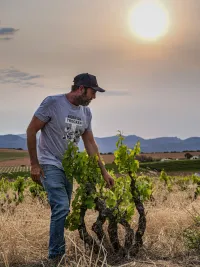
"Nothing should ever be added. No ego, nor any other element. All you need is the fruit you pick, and this fruit should be from sound, healthy and natural vineyards. The perfect grape is enough for wine."
In the Swartland, an hour north of Cape Town, Eben Sadie has spent more than two decades proving that great wine is made long before a single grape reaches the cellar. Founder of Sadie Family Wines, he is widely regarded as one of South Africa's most influential winemakers. The figure most responsible for turning the Swartland from an overlooked bulk-wine region into one of the most talked-about fine wine addresses in the world.
What sets Sadie apart is how little control he exercises once the vintage begins. Each vineyard is picked on a single date, chosen with enormous care, and everything harvested that day goes into the final blend, there is no second sorting, no selecting away weaker parcels once the grapes reach the cellar. As wine writer Tim James has observed of Sadie's practice, the entire outcome rests on the quality of the viticulture and the selection of vineyards themselves, not on cellar technique.
Sadie treats his flagship wines, Columella and Palladius, as works in progress that evolve primarily through changes in farming, season to season, rather than through winemaking adjustments. It is, in effect, winemaking decided in the vineyard long before harvest.
Two Ranges, One Guiding Idea:
SIGNATURE WINES
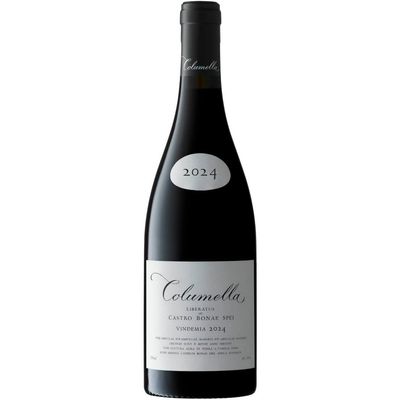
Sadie Family ‘Columella’
Red blend, nine vineyard parcels across the Swartland
Eben's flagship red, and one of the wines that put the Swartland on the international map. Blended from Syrah, Mourvedre, Grenache, Cinsault, Carignan and Tinta Barroca, sourced from the same nine small parcels every vintage. Named for the Roman agricultural writer Columella, it is naturally fermented and aged 24 months in oak, only a small proportion of it new, racked every six months. Dense yet elegant, with plum, lilac and undergrowth over fine, structured tannins. The 2023 vintage scored 98/100 from James Suckling and 96/100 from Vinous, with the 2022 rated 99/100 by Tim Atkin MW.
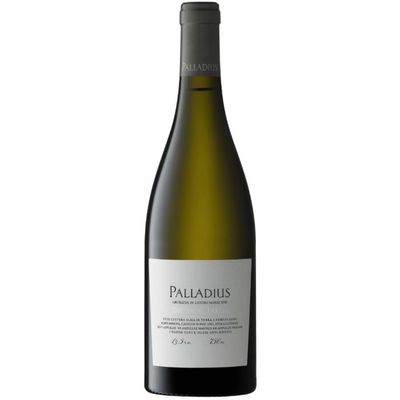
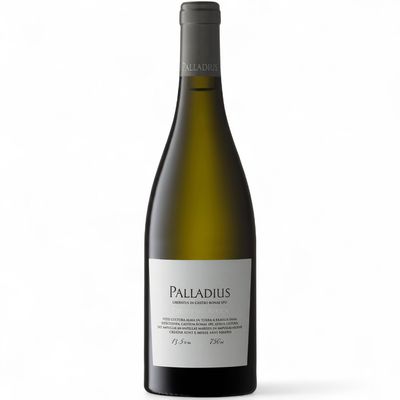
Sadie Family ‘Palladius’
White blend, 17 vineyard parcels, Paardeberg, Piketberg and St Helena Bay
Eben's white companion to Columella, and arguably just as compelling: a blend of eleven Mediterranean varieties, led by old bush-vine Chenin Blanc, drawn from 17 sites across three Swartland districts. Named for the Roman writer Palladius, it is naturally fermented and aged in amphora, concrete egg and old foudre, built for long ageing. Layered with citrus, lanolin and dried honey, it carries the texture and complexity of a great white Burgundy. The 2023 vintage scored 97/100 from James Suckling and 95/100 from Vinous.
DISTRICT SERIES: WHITES
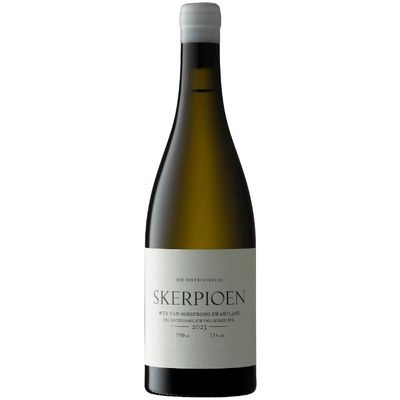
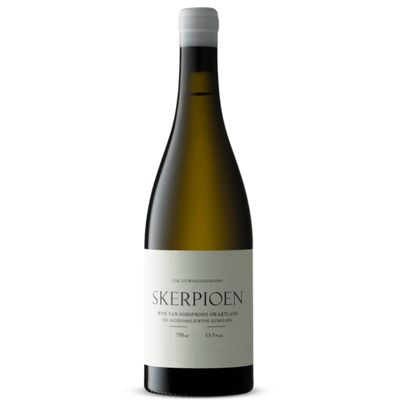
Sadie Family ‘Skerpioen’
Chenin Blanc and Palomino field blend, Elands Bay, Swartland
An unirrigated 4.8-hectare block just two kilometres from the Atlantic near Dwarskersbos, rooted in chalky limestone and sand and named for the scorpions that share the vineyard. The Chenin and Palomino field blend ferments naturally and ages in neutral cask before bottling off the lees. Taut, saline and crystalline, with wet slate, citrus and pear. Tim Atkin MW rated the 2024 vintage 99/100, the second-highest-scoring white in his entire South Africa report that year.
Sadie Family ‘T Voetpad
Historic field blend, Piquetberg, planted 1887 to 1928
Afrikaans for “to have a footpath”, this isolated 1.4-hectare block on the north-western slopes of the Piquetberg co-plants Semillon Blanc, Semillon Gris, Palomino, Chenin Blanc and Muscat d'Alexandrie, some vines over a century old. Sadie has tended it since 2009, interplanting new vines to extend its life. Matured in cask and foudre, it is the range's most tannic, textured white, all stone fruit, fynbos and firm structure. Christian Eedes rated the 2024 vintage 97/100.
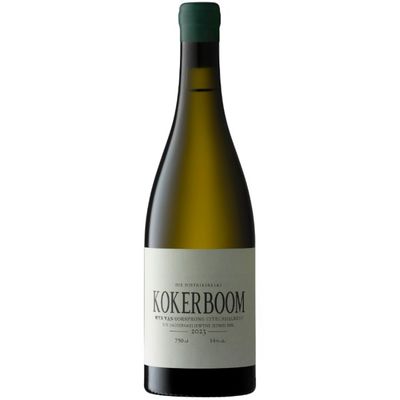
Sadie Family ‘Kokerboom’
Semillon and Semillon Gris, Citrusdal Mountain
Named for the tree aloes dotting the old vineyard, planted in the 1930s at high elevation on iron-rich sandstone in the Olifants River region's Trekpoort Valley, one of only five historic “Green Grape” Semillon sites to survive. Co-fermented naturally with a small proportion of Semillon Gris and aged in cask, it is exotic and richly textured, with lime, nectarine and lemon zest over stony minerality. Tim Atkin MW rated the 2023 vintage 96/100.
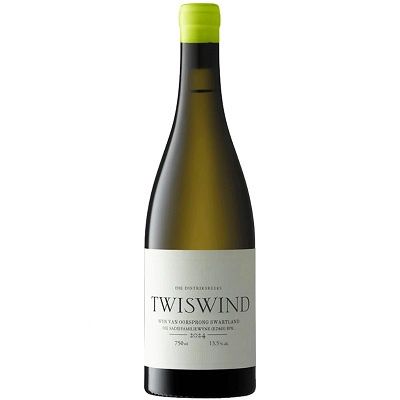
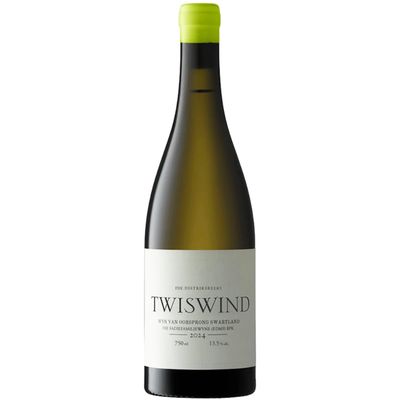
Sadie Family ‘Twiswind’
Co-planted field blend, twelve varieties, Paardeberg
The white half of Eben's newest project: a 2019 planting on a relentlessly windswept south-western Paardeberg slope, co-planted with twelve Mediterranean and Iberian varieties including Chenin Blanc, Vermentino, Grillo and Assyrtiko, chosen for resilience to a warming climate. Fermented naturally and aged 12 months across old wood and concrete, the maiden 2024 vintage is racy and saline, with lime, green apple and crushed chalk. It scored 96/100 from James Suckling and was named Tim Atkin MW's White Wine Discovery of the Year for 2025.
Sadie Family ‘Skurfberg’
Chenin Blanc, Citrusdal Mountain
From the Skurfberg, or “rugged mountain”, an old bush-vine Chenin Blanc block rooted in weathered, iron-rich sandstone at high elevation close to the ocean, with minimal rainfall. Matured 12 months in cask, it is powerful yet energetic, with citrus, peach, fynbos and a flinty, olive-tinged finish. Christian Eedes called the 2024 vintage a superb result from a remarkable site and rated it 98/100.
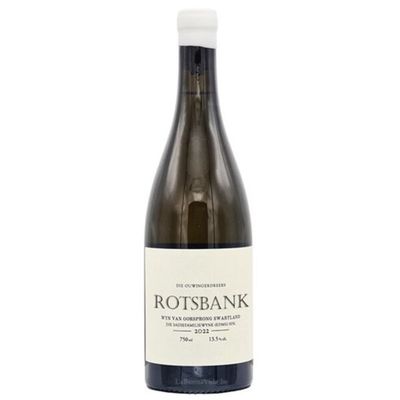
Sadie Family ‘Rotsbank’
Chenin Blanc, Paardeberg, first bottled 2022
Eben waited fourteen years to secure access to this Paardeberg granite shelf, where topsoil runs just 30 to 50cm deep and vines survive by rooting into cracks in the rock. First released in 2022, it is the purest, most linear expression in the range, all lemon rind, crushed stone and racing acidity, often likened to Grand Cru Chablis. The 2024 vintage scored 98/100 from James Suckling, 97/100 from Tim Atkin MW and 96/100 from Vinous.
Sadie Family ‘Mev. Kirsten’
Chenin Blanc, Jonkershoek, Stellenbosch, planted 1905
Named for the matriarch of the family that owns it, this one-hectare block at the foot of Bothmaskop is the oldest Chenin Blanc vineyard in South Africa, farmed by Sadie since 2006 with continuous interplanting to keep it alive. Rich, dense and powerful, with oatmeal, pear, lanolin and dried honey, it is regularly cited among the world's great white wines. Tim Atkin MW rated the 2023 vintage 99/100, calling it the product of a lifetime's work.
DISTRICT SERIES: REDS
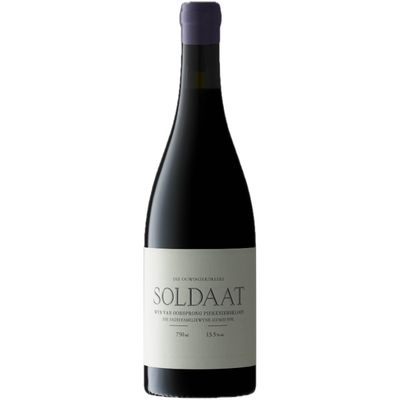
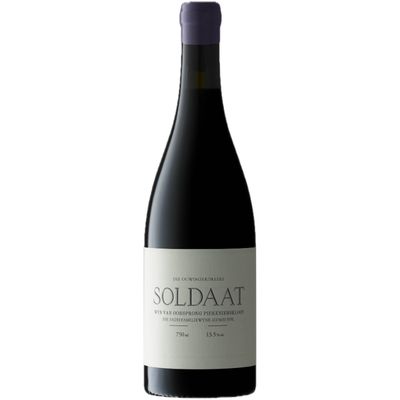
Sadie Family ‘Soldaat’
Grenache Noir, Piekenierskloof, Citrusdal Mountain
Named for the piekeniers, foot soldiers who once guarded this pass in the old Cape Colony, the wine comes from a dry-farmed Grenache vineyard planted at 708 metres on weathered sandstone. Fermented partly whole-bunch in concrete, it shows Morello cherry, pomegranate and fynbos, with the freshness Sadie prizes in high-altitude Grenache. The 2024 vintage scored 96/100 from Tim Atkin MW and 97/100 from James Suckling.
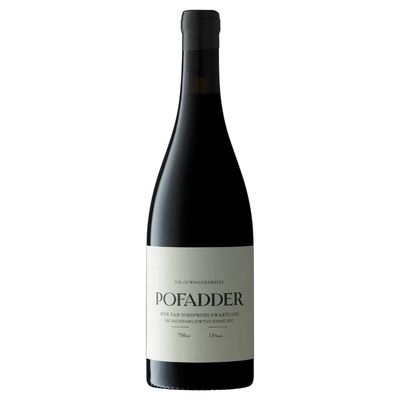
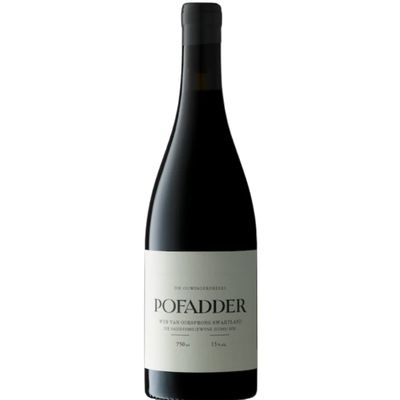
Sadie Family ‘Pofadder’
Cinsault, Riebeek Mountain, Swartland
Named for the venomous snake that shares this iron-rich slate vineyard on Riebeeksrivier farm, one of the few Sadie sites he does not farm himself. Once South Africa's most widely planted red grape before its post-war decline, Cinsault here is fresh, silky and structured, with red cherry, redcurrant and cracked pepper. The 2024 vintage scored 96/100 from Tim Atkin MW and 95/100 from James Suckling.
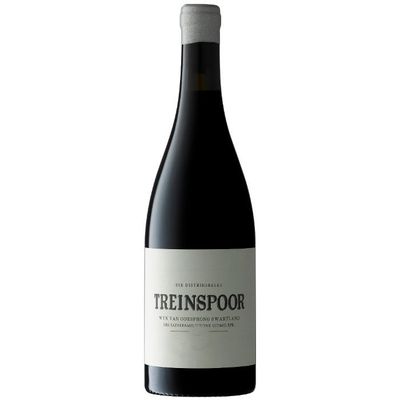
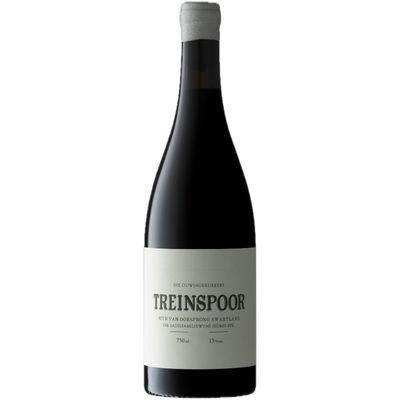
Sadie Family ‘Treinspoor’
Tinta Barroca, Malmesbury, Swartland, planted 1974
Grown beside an old railway line west of Malmesbury, hence the name, this bush-vine Tinta Barroca sits on decomposed granite and sandstone. Eben describes it as a cross between northern Rhone Syrah and Piedmontese Nebbiolo, and the wine backs him up: dark berry fruit, Earl Grey tea and chewy, structured tannins. The 2024 vintage scored 95/100 from Tim Atkin MW and 94/100 from Vinous.
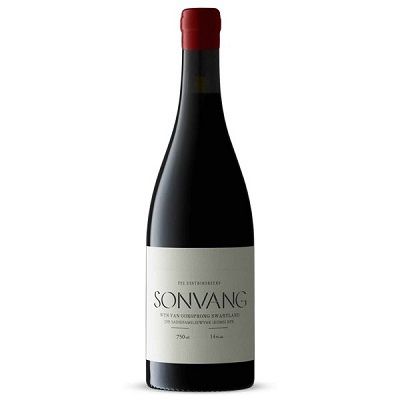
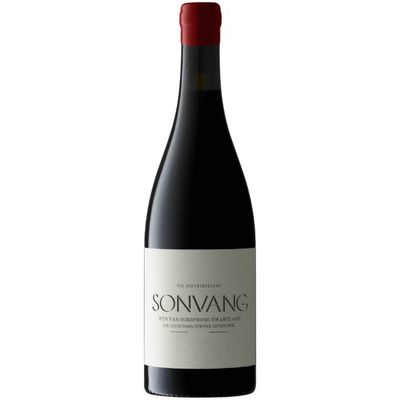
Sadie Family ‘Sonvang’
Co-planted field blend, twelve varieties, Paardeberg
The red counterpart to Twiswind, from a west-facing Paardeberg slope co-planted in 2021 with twelve Mediterranean and Iberian varieties including Grenache Noir, Cinsault, Carignan and Agiorgitiko. Twenty years in planning, it reflects Eben's belief that, in his words, “instead of making a blend, we're planting a blend.” The maiden 2024 vintage is wild, spicy and structured, with blood orange, fynbos and fine, powdery tannins. It scored 96/100 from James Suckling.
The results have drawn some of the highest scores in South African wine: Columella and Palladius have each scored 98–99 points from critics including Wine Advocate, Tim Atkin and Decanter, while individual Old Vine Series wines regularly land in the mid-to-high 90s from Wine Advocate, Vinous, James Suckling and Tim Atkin alike.