Sakkie Mouton Family Wines
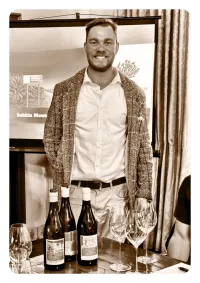
Few young producers have made as much noise in the Cape in as short a time as Sakkie Mouton Family Wines. Founded in 2019 in Vredendal on the Cape West Coast, the label belongs to winemaker Sakkie Mouton, a self-described Weskus misfit who set out to make wines of substance from the old, overlooked vineyards of the Olifants River region. Today he is regarded as one of the most exciting talents in the country, building his reputation on saline, precise Chenin Blanc, Colombar, Vermentino and Syrah from old, low yielding vines in the sandy, wind-swept vineyards of Koekenaap and the Olifants River valley.
Sakkie Mouton has developed a reputation for producing distinctive, small batch wines that showcase the rugged maritime terroir of South Africa's West Coast. His unconventional grape varieties, minimal-intervention approach and focus on coastal vineyard expression have earned recognition among specialist wine merchants and wine enthusiasts
"A Weskus misfit with a point to prove"
Philosophy and Winemaking
"For me it's all about the vineyards and the unique sites around the area."
Sakkie grew up in Vredendal, where his family has a farm, and wanted to be a musician before agriculture won out. After studying at Elsenburg he spent five years working harvests in Dry Creek Valley (twice), Baden, Burgundy and Marlborough, then served as assistant winemaker at Orange River Cellars and Muratie, where the first Revenge of the Crayfish was made in 2019. A stint in Oregon followed, and he came home to start his own label with a few barrels, a borrowed corner of someone else's cellar and a very small bank balance.
The winemaking is built on getting out of the way. Grapes are picked early and cool, whole bunch pressed where it suits the wine, and fermented with native yeast in old 500 litre barrels and stainless steel. Wines rest on their lees for months and are bottled unfined and unfiltered. Nothing is formulaic: malolactic, oak and lees contact are decided vineyard by vineyard and vintage by vintage, which is why no two releases taste quite the same. He has made his wines in rented cellar space in the Swartland, with a cellar of his own the long-term goal.
The real work happens in the vineyard. The West Coast is cooperative country, where growers are paid by volume and pushed towards enormous yields. Sakkie does the opposite. He leases old, neglected vineyards, farms them himself, and keeps crops to a fraction of what the co-ops expect, paying growers properly by the tonne. He is also one of the Cape's most inventive voices on new varieties for the region, with Vermentino, Assyrtiko, Piquepoul Blanc, Lledoner Pelut and Arinarnoa all making appearances in the cellar.
The personality is just as distinctive. Sakkie plays guitar and harmonica, makes a music video for each release, and designs labels around his own stories, from a 1950s horror poster to a flooded vineyard. The wines are serious, but nobody is taking themselves too seriously.
The Range: Salty, Precise, Unmistakably West Coast.
The Sakkie Mouton range is small, site driven and always evolving. It runs from the Chenin Blanc that made his name through to Colombar, Vermentino and a fresh, cool climate take on Syrah, all shaped by Atlantic mist, sandy soils and a distinctive thread of salinity.
Sakkie Mouton represents everything Bx Wine looks for in a producer: old vineyards farmed with patience, minimal intervention winemaking that lets the site speak, and wines with real personality. For anyone curious about where South African white wine is heading, and how good a West Coast red can be, Sakkie Mouton is an essential place to start.
WHITES:
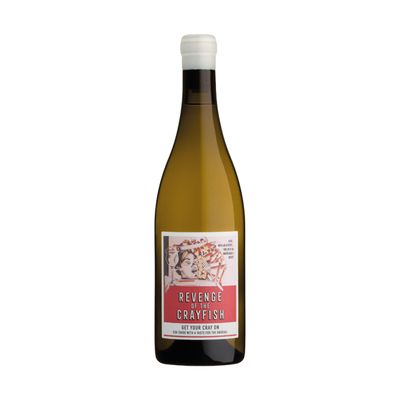
Revenge of the Crayfish: Chenin Blanc, Koekenaap, Olifants River
The wine that put Sakkie on the map, and still the calling card. Grown on sandy soils near the cold Atlantic, with cool morning mist and hot afternoons, it is hand-harvested, whole-bunch pressed and wild fermented in old barrels and stainless steel before months on lees. The label, a 1950s B-movie horror poster in which the crayfish finally strike back, deliberately never mentions Chenin Blanc. Expect crunchy orchard fruit, citrus, kelp and a briny finish. The 2023 earned 94 points from both Jamie Goode and Falstaff, and the 2025 is the first Crayfish to go through full malolactic fermentation, giving a fuller, more textured wine.
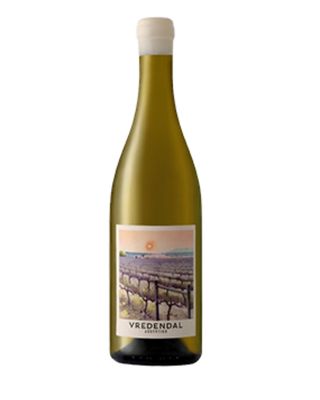
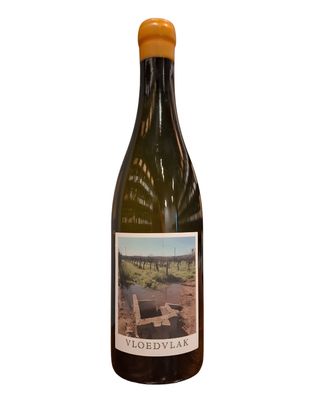
Vloedvlak: Colombar, Olifants River
A tiny 0.4 hectare vineyard planted in 1978 on silty soils beside the Olifants River, flood irrigated in the traditional way. The label shows the vineyard under floodwater, and the 2024 crop was in fact lost to flooding. Whole bunch pressed and wild fermented, the 2023 vintage was kept free of malolactic for a keen acid line, turning a humble workhorse grape into something vivid, steely and saline. It earned 95 points from Jamie Goode.
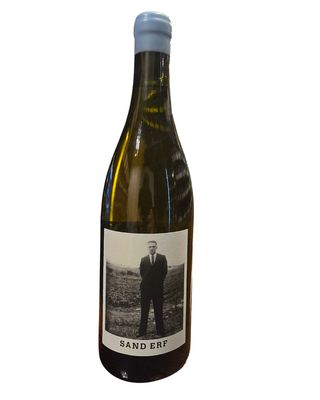
Sand Erf: Vermentino, Koekenaap
A small block of Vermentino planted in 2017 on sandy soils next to the Crayfish vineyard, making it one of the rarest wines in the range. Wild fermented in old barrels, left on its lees and bottled unfined and unfiltered, it is light but intense, with citrus, apple blossom and a hint of salinity. The label shows Sakkie as a boy on an ox with his grandfather in the background. The 2023 scored 94 points from Jamie Goode.
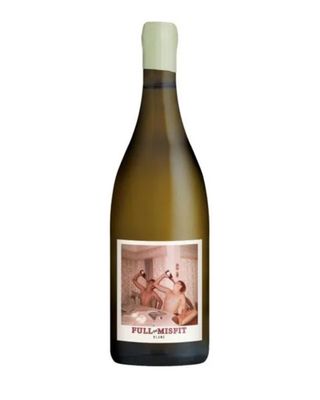
Full on Misfit: White blend, Western Cape
The most freewheeling wine in the range, a field blend of West Coast vineyards that changes every year. Old Chenin Blanc (planted in 1981 on sand) and Colombar (planted in 1988) form the backbone, joined in different vintages by Palomino, Macabeo, Muscat d'Alexandrie, Chenel and even a splash of Assyrtiko. It is the best way to see the full West Coast picture in one bottle.
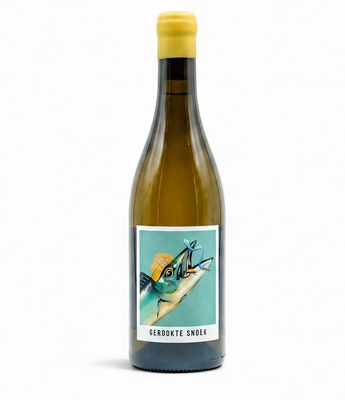
Gerookte Snoek Chenin Blanc
Sakkie Mouton's West Coast Chenin in its most open, easy drinking form: lemon, lime and white peach, a taut, mineral core and the salty tang of vineyards that sit around 25 kilometres from the cold Atlantic. Wild fermented, bottled unfined and unfiltered, and made for seafood.
REDS:
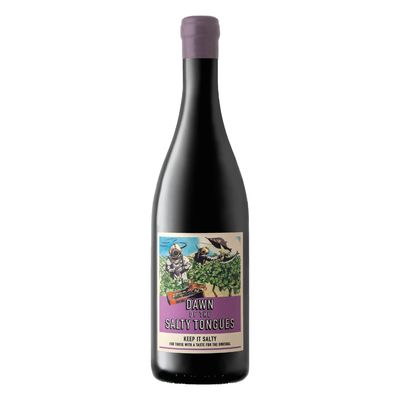
Dawn of the Salty Tongues: Syrah: Olifants River
Grown on sandy soils in a vineyard planted in 1999 on the family farm, which Sakkie took over in a neglected state and brought back to life. Around 30% whole bunch, then matured in old 500 litre barrels. The first few attempts were thrown out because they were not good enough, and the maiden 2022 earned 95 points from Jamie Goode. The name is Weskus slang for the colourful language of local farmers and fishermen, and the wine is salty, peppery and fine-boned, a world away from big, heavy Syrah. The 2024 vintage scored 96 points from Greg Sherwood MW.
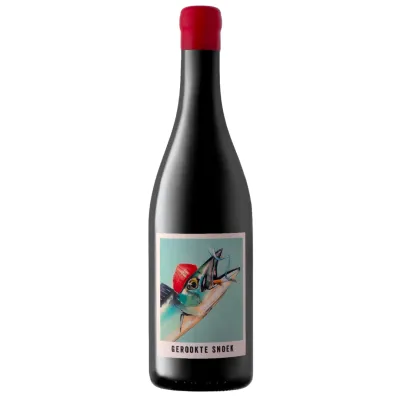
Gerookte Snoek Red
Is a vibrant, savoury West Coast red built on Lledoner Pelut, the downy "hairy Grenache", from Citrusdal Mountain. Bright red fruit, a pinch of pepper spice and the saline finish that runs through every Sakkie Mouton wine. A red to drink with a slight chill, with food and friends
ROSE:
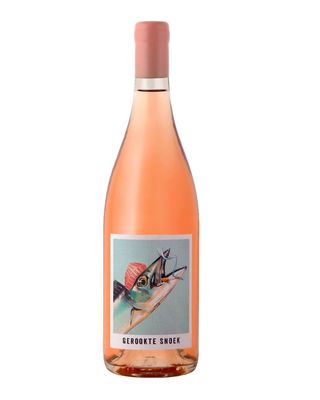
Gerookte Snoek Dry Rosé
Is Sakkie Mouton's latest left field rosé from the West Coast: a wild-fermented blend of Arinarnoa and Lledoner Pelut, two grapes rarely seen in South Africa, that is bright, dry and unmistakably salty. The name nods to gerookte snoek, smoked snoek, the West Coast's best-loved braai fish.